

What's Behind India's 'Cockroach' Youth Protests? Understanding the Anger, Controversy, and Bigger Picture
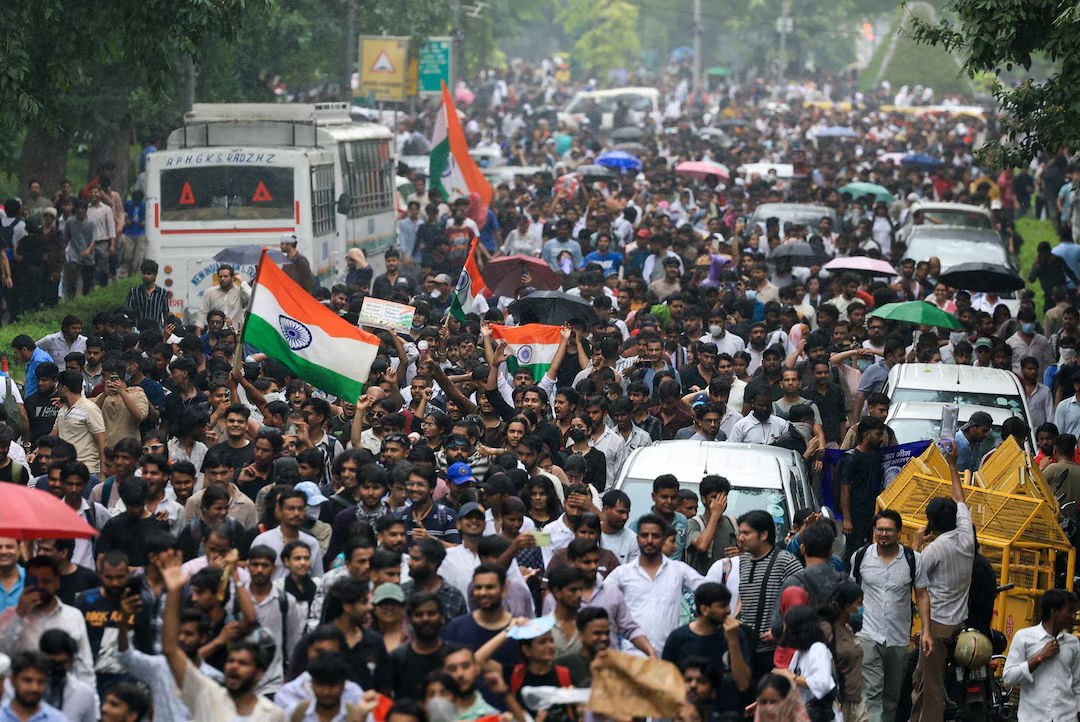
In recent weeks, India has witnessed a wave of youth-led protests that have captured national attention. What began as demonstrations demanding fair recruitment, transparent examinations, and better employment opportunities has now evolved into a much larger debate about the relationship between young citizens and the government. The controversy intensified after the term “cockroach” was allegedly used in connection with protesting students and job aspirants, sparking outrage across social media and political circles.
The phrase quickly became a trending topic, with thousands of people questioning whether such language was appropriate when referring to citizens exercising their democratic right to protest. While political parties exchanged accusations and counterclaims, the incident also shifted public attention toward a deeper issue that has been troubling millions of young Indians for years—employment uncertainty, delayed recruitment, and frustration over competitive examinations.
This article explores what lies behind India’s so-called “cockroach” youth protests, why the issue has gained nationwide attention, and what it reveals about the aspirations and concerns of India’s younger generation.
The Background of the Protests
India has one of the world’s youngest populations. Every year, millions of students graduate from colleges and universities with hopes of securing stable careers, particularly in government services. Government jobs continue to be highly sought after because they offer job security, social prestige, and financial stability.
However, in recent years, many recruitment processes have faced repeated delays. Several competitive examinations have reportedly been postponed, cancelled, or affected by allegations of paper leaks and irregularities. Candidates often spend years preparing for these exams, investing significant amounts of money, time, and emotional energy.
For many aspirants, every delay means another year of uncertainty. Age limits for certain examinations further increase anxiety, as candidates fear losing eligibility before recruitment is completed.
These long-standing concerns created an environment where frustration gradually turned into organized public demonstrations.
Why Are Young People Protesting?
The protests are not driven by a single issue. Instead, they reflect a combination of economic, educational, and administrative challenges faced by young Indians.
Some of the key demands raised by protesters include:
- Faster completion of recruitment processes
- Transparent government examinations
- Strict action against paper leaks
- Timely release of examination results
- Filling vacant government positions
- Fair treatment of peaceful protesters
- Greater accountability from authorities
Many participants argue that they are not protesting against development or governance itself but are asking for predictable and transparent opportunities to build their careers.
The "Cockroach" Controversy
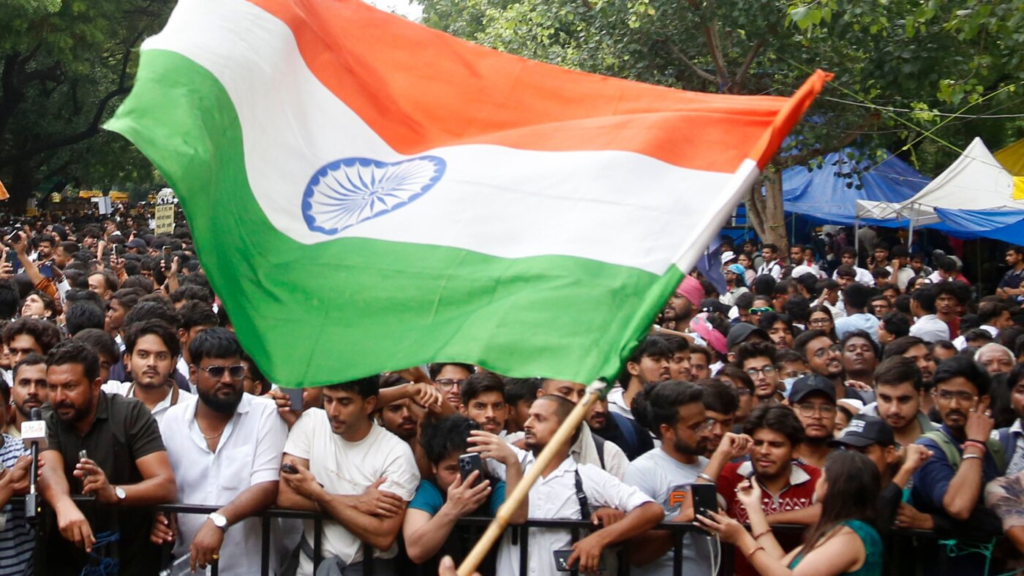
The protests gained national attention after reports circulated claiming that protesting youth were compared to “cockroaches.” The alleged remark quickly became controversial and triggered widespread criticism.
Opposition leaders accused the authorities of showing disrespect toward young citizens. Student organizations also expressed anger, arguing that such language undermines legitimate democratic protest.
Social media platforms amplified the controversy, with hashtags related to the issue trending across multiple platforms. Memes, opinion pieces, videos, and political commentary further increased public discussion.
Supporters of the government, however, questioned the context of the reported statement, while others argued that political narratives had amplified the controversy beyond the original remarks.
Regardless of differing interpretations, the incident became symbolic of the broader disconnect many young people feel between policymakers and job seekers.
Youth Unemployment Remains a Central Concern
While the “cockroach” controversy attracted headlines, many observers believe the real issue extends far beyond a single statement.
Employment remains one of India’s biggest challenges.
India produces millions of graduates every year, but creating enough quality jobs to absorb this workforce remains a complex task. Government employment opportunities are limited compared to the number of applicants.
For example:
- Some recruitment exams receive applications from millions of candidates for only a few thousand vacancies.
- Aspirants often spend several years preparing for competitive examinations.
- Many candidates relocate to coaching hubs, investing family savings in preparation.
This intense competition means that delays or irregularities have a significant emotional and financial impact.
The Emotional Cost on Students
Preparing for government examinations is often a full-time commitment.
Many candidates spend between three and six years studying while postponing other career options. Families frequently support these aspirations despite financial challenges.
When recruitment processes are delayed repeatedly, candidates experience:
- Emotional stress
- Financial pressure
- Career uncertainty
- Anxiety over age limits
- Reduced confidence
Mental health experts have increasingly highlighted the psychological impact that prolonged uncertainty can have on students and job aspirants.
Although every individual’s experience differs, the emotional burden of competitive examinations has become an important part of the national conversation.
Political Reactions
As expected, the controversy soon entered the political arena.
Opposition parties criticized the government’s handling of the protests and demanded greater sensitivity toward students.
Government representatives emphasized maintaining public order while highlighting ongoing recruitment efforts and reforms.
Different political leaders offered contrasting interpretations of both the protests and the controversial remarks.
The issue has therefore become both a governance debate and a political talking point.
Democratic Right to Protest
India’s Constitution protects the right to peaceful assembly and freedom of expression, subject to reasonable restrictions under law.
Peaceful demonstrations have historically played an important role in India’s democracy.
Authorities, on the other hand, also have the responsibility to maintain public safety and prevent violence.
The challenge lies in balancing these two objectives while ensuring that both public order and democratic freedoms are respected.
For more breaking news, in-depth analysis, and fact-based coverage of the latest national and international events, visit SnippetX Media:
🌐 https://snippetxmedia.com/