

What's Behind India's 'Cockroach' Youth Protests? Understanding the Anger, Controversy, and Bigger Picture
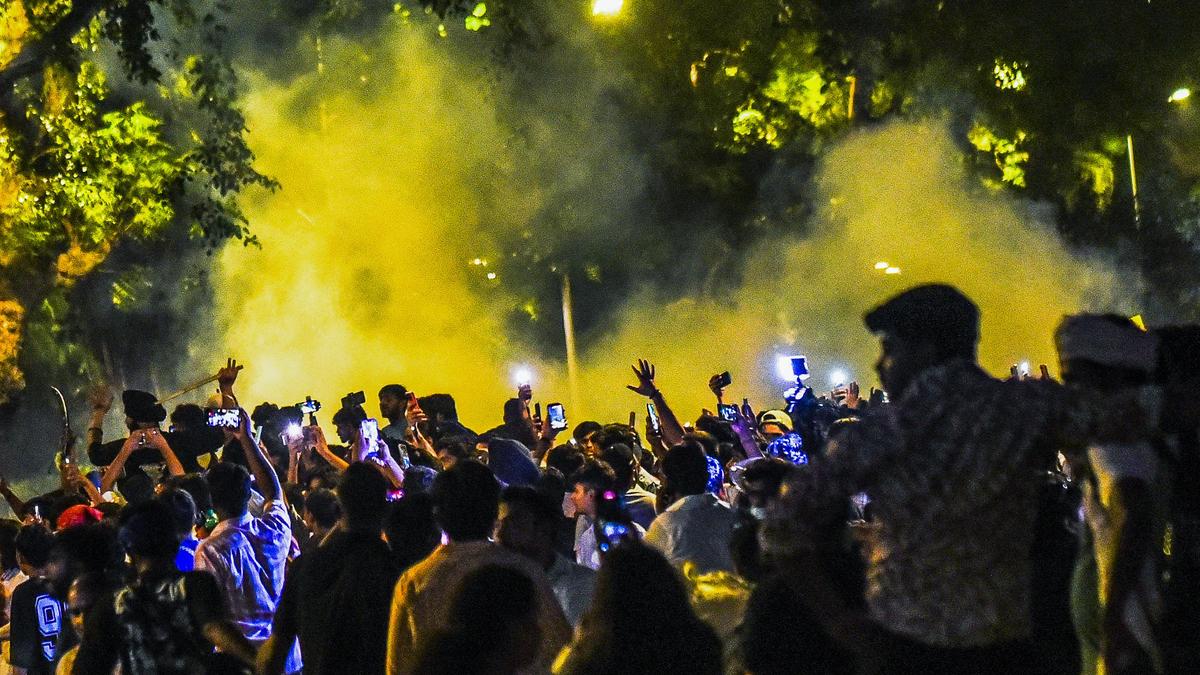
The national capital once again witnessed heightened tensions as protesters clashed with Delhi Police near Jantar Mantar, one of India’s most recognized locations for public demonstrations. The incident attracted nationwide attention after videos and eyewitness accounts circulated rapidly across television channels and social media platforms, showing moments of confrontation between demonstrators and law enforcement personnel.
Jantar Mantar has long served as a symbolic venue where citizens, activists, students, labor unions, and civil society organizations gather to voice their concerns on political, social, economic, and public policy issues. While the majority of demonstrations at the venue remain peaceful, large gatherings can occasionally lead to disagreements over crowd management, movement restrictions, or administrative regulations. Such situations often require careful coordination between protest organizers and security agencies to maintain public safety without restricting democratic expression.
The Protesters Clash with Delhi Police Near Jantar Mantar quickly became one of the most searched news topics in India as people sought verified information regarding what triggered the confrontation, how authorities responded, and what developments followed. As conflicting narratives emerged online, official statements and credible news reports became essential in understanding the sequence of events.
This article provides a comprehensive overview of the incident, including the timeline of events, the possible reasons behind the confrontation, the response from Delhi Police, legal perspectives on public demonstrations, and the broader implications for democratic protests in India.
What Led to the Protest and How the Clash Escalated
Jantar Mantar has historically been designated as a space where individuals and organizations can conduct peaceful demonstrations after obtaining necessary permissions from authorities. Over the years, the venue has hosted numerous protests concerning employment, education, women’s rights, farmers’ issues, economic policies, environmental conservation, and governance.
According to initial reports, the latest gathering brought together a significant number of protesters seeking to draw attention to their demands. Organizers assembled participants near Jantar Mantar, where speeches, placards, banners, and peaceful demonstrations were initially observed.
Considering the expected turnout, Delhi Police deployed adequate security personnel across the surrounding areas. Barricades were placed at strategic points, traffic diversions were introduced, and officers monitored crowd movement to ensure public order. Such arrangements are standard practice whenever large public gatherings are anticipated in the national capital.
As the protest progressed, tensions reportedly increased when sections of the crowd attempted to move beyond designated areas or disagreed with restrictions imposed by security personnel. Eyewitnesses described heated verbal exchanges between demonstrators and police officials before the situation escalated into pushing and physical confrontations.
Videos shared across digital platforms appeared to show protesters pressing against barricades while police personnel attempted to prevent unauthorized movement. Several clips also depicted officers forming human chains to maintain security perimeters and prevent disruption to nearby roads and public spaces.
As the situation intensified, additional police units were deployed to restore order. Security personnel encouraged demonstrators to remain peaceful while urging them to follow instructions intended to ensure everyone’s safety. In response to the growing tension, authorities temporarily restricted movement around certain roads near Jantar Mantar, causing traffic congestion and delays for commuters.
Several protesters were reportedly detained during the operation. Police later clarified that preventive detentions are sometimes carried out to prevent further escalation during situations where public safety may be at risk. Authorities also initiated documentation of the incident using CCTV footage, body cameras, and eyewitness statements.
The Protesters Clash with Delhi Police Near Jantar Mantar immediately became the focus of public discussion as multiple videos surfaced online. While some clips highlighted confrontations between protesters and police, others emphasized the challenges faced by law enforcement in managing large crowds within a densely populated urban environment.
Officials appealed to the public to remain calm and avoid spreading unverified information until investigations and official assessments were completed.
Delhi Police Response, Legal Framework, and Public Reactions
Following the confrontation, Delhi Police released statements emphasizing that maintaining law and order remained their foremost responsibility. Officials explained that appropriate crowd-control measures were implemented after assessing the evolving situation and the potential risks posed by increasing tensions.
According to police officials, security arrangements had been established in advance to facilitate a peaceful demonstration while minimizing inconvenience to commuters, businesses, and residents in nearby areas. Authorities reiterated that demonstrations conducted within approved guidelines generally proceed peacefully when organizers and participants cooperate with law enforcement agencies.
The incident also sparked widespread public debate regarding the balance between democratic rights and public safety. India’s Constitution guarantees citizens the right to assemble peacefully under Article 19, subject to reasonable restrictions imposed in the interests of sovereignty, public order, and security.
Legal experts noted that while peaceful protest is a cornerstone of democratic governance, authorities are equally responsible for preventing violence, protecting public property, and ensuring that emergency services remain accessible during mass gatherings. This balance often requires careful planning, transparent communication, and cooperation from all stakeholders.
The Protesters Clash with Delhi Police Near Jantar Mantar also highlighted the growing influence of digital media in shaping public perception. Within minutes, videos recorded by participants, journalists, and bystanders spread across platforms such as X, Facebook, Instagram, and YouTube. These videos generated millions of views and prompted discussions regarding police conduct, protest management, and citizens’ rights.
However, officials urged the public to rely on verified information from credible news organizations and official government statements instead of relying solely on edited or incomplete clips circulating online. Experts frequently caution that short videos shared on social media may not capture the complete sequence of events or the context surrounding an incident.
Political leaders, civil society organizations, and legal commentators also responded to the developments. Some called for independent inquiries into the circumstances surrounding the confrontation, while others emphasized the importance of dialogue between authorities and protest organizers before large public demonstrations.
Public administration specialists have repeatedly stressed that effective communication before, during, and after demonstrations significantly reduces misunderstandings. Advance coordination regarding routes, participant numbers, emergency protocols, and crowd movement often helps prevent confrontations from escalating.
The incident has also renewed discussions about improving protest management strategies through better technology, real-time monitoring, increased public awareness, and stronger coordination between administrative agencies.
Why the Jantar Mantar Incident Matters and What It Means for Future Protests
The Protesters Clash with Delhi Police Near Jantar Mantar is significant not only because of the confrontation itself but also because it reflects broader challenges associated with managing democratic protests in one of the world’s largest democracies.
Jantar Mantar occupies a unique position in India’s democratic landscape. For decades, it has symbolized citizens’ ability to raise concerns, demand accountability, and participate in peaceful civic engagement. Every major protest at this venue attracts national media coverage, influencing public discourse on governance, policy, and civil rights.
The latest incident demonstrates how quickly peaceful gatherings can become tense when communication breaks down or when crowd dynamics change unexpectedly. Even minor misunderstandings regarding movement restrictions or administrative instructions can escalate rapidly in large gatherings involving hundreds or thousands of participants.
For law enforcement agencies, the incident reinforces the importance of adopting modern crowd-management techniques, including enhanced surveillance systems, improved communication with organizers, rapid deployment capabilities, and de-escalation training for officers.
For protest organizers, the events highlight the value of educating participants about designated protest zones, legal responsibilities, emergency procedures, and peaceful methods of demonstration. Clear communication between organizers and participants can significantly reduce confusion during rapidly evolving situations.
Media organizations also play an important role during such incidents. Accurate, balanced, and fact-based reporting helps the public understand complex situations while minimizing misinformation and speculation. Responsible journalism remains essential in ensuring that citizens receive verified updates rather than sensationalized narratives.
Citizens, too, have a responsibility to verify information before sharing it online. In today’s digital era, misinformation can spread rapidly, potentially increasing tensions or creating unnecessary panic. Relying on official announcements, verified news agencies, and authenticated reports remains the most effective way to stay informed during developing situations.
The incident is likely to prompt administrative reviews regarding security planning for future demonstrations near Jantar Mantar and other sensitive locations across Delhi. Authorities may evaluate crowd-control protocols, communication strategies, emergency response mechanisms, and coordination with protest organizers to improve future arrangements.
As investigations continue, additional details regarding the sequence of events, the actions of various stakeholders, and any legal proceedings may emerge. These findings will likely contribute to ongoing discussions about improving protest management while preserving citizens’ constitutional rights.
Ultimately, the Protesters Clash with Delhi Police Near Jantar Mantar serves as a reminder that democracy functions most effectively when citizens can express their views peacefully and authorities can maintain public order through transparent, proportionate, and lawful measures. Mutual respect, dialogue, and responsible conduct remain essential in ensuring that public demonstrations fulfill their intended purpose without escalating into confrontation.
The Protesters Clash with Delhi Police Near Jantar Mantar has once again brought national attention to the complexities of managing large public demonstrations in India’s capital. While the right to peaceful protest remains a fundamental democratic freedom guaranteed by the Constitution, maintaining public safety requires cooperation between demonstrators, organizers, and law enforcement agencies.
As authorities continue to review the incident and gather additional evidence, the focus is expected to remain on understanding what triggered the confrontation and identifying measures that can help prevent similar situations in the future. Improved communication, effective crowd management, responsible public participation, and accurate reporting will all play vital roles in strengthening democratic processes while preserving public order.
With investigations still underway, additional verified information may emerge regarding the sequence of events, official findings, and any legal or administrative actions taken. Readers are encouraged to follow updates from credible and verified sources to stay informed about this developing story.
Stay updated with the latest breaking news, in-depth analysis, and fact-based reporting from across India and around the world by following SnippetX Media. We are committed to delivering timely, accurate, and unbiased news that keeps you informed about the stories that matter most. Visit https://snippetx.com for more news, insights, and exclusive updates.