

Published by Snippetx Media
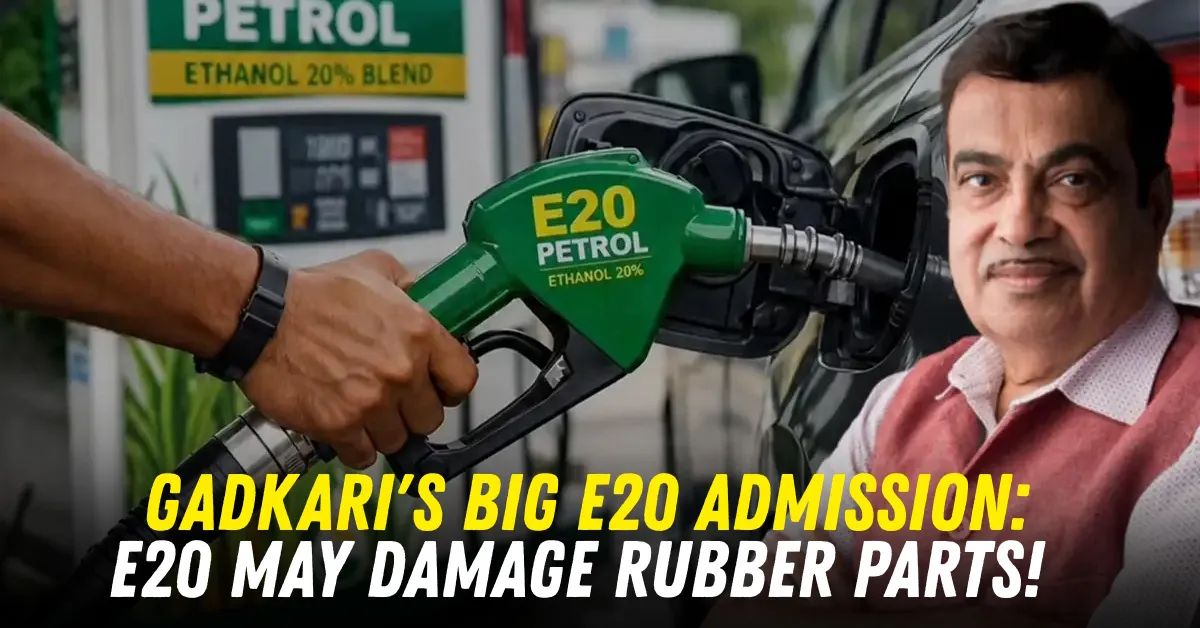
Union Road Transport and Highways Minister Nitin Gadkari has cautioned that E20 petrol, a fuel blend containing 20% ethanol and 80% petrol, may negatively affect the rubber components of older BS-III vehicles. The statement comes as India continues its push toward cleaner and more sustainable fuels under its ethanol blending program.
While the government remains committed to increasing ethanol usage to reduce fuel imports and carbon emissions, the minister emphasized that owners of older vehicles should remain aware of potential compatibility issues before regularly using E20 fuel.
E20 Petrol Could Affect Older BS-III Vehicles
Speaking about India’s transition to cleaner fuels, Nitin Gadkari explained that vehicles manufactured under the BS-III emission norms were not originally designed to operate with higher ethanol blends.
According to the minister, rubber seals, hoses, fuel lines, gaskets, and certain plastic components in older vehicles may deteriorate over time due to prolonged exposure to higher ethanol concentrations.
Experts say ethanol absorbs moisture more easily than regular petrol, which can gradually weaken rubber materials in vehicles that were never engineered for E20 compatibility.
The warning primarily concerns:
- BS-III petrol vehicles
- Older two-wheelers
- Older passenger cars
- Commercial vehicles built before newer emission standards
Why India Is Promoting E20 Petrol
India has been steadily increasing ethanol blending as part of its long-term energy strategy.
The key objectives include:
- Reducing dependence on imported crude oil
- Lowering greenhouse gas emissions
- Supporting Indian farmers through increased ethanol production
- Improving fuel sustainability
- Strengthening India’s energy security
The government’s ethanol blending initiative has already achieved significant milestones, with E20 now being introduced across several regions.
Officials believe the transition will help India save billions in fuel imports while contributing to cleaner transportation.
Which Vehicles Are Compatible With E20 Fuel?
Most new-generation vehicles, especially those manufactured under BS-VI norms, are being designed to handle E20 petrol safely.
Automobile manufacturers have gradually updated:
- Fuel injection systems
- Rubber components
- Fuel tanks
- Engine calibration
- Fuel lines
These modifications help newer vehicles operate efficiently with higher ethanol blends.
However, owners of older vehicles should consult their vehicle manufacturer before making the switch to E20.
What Problems Could Older Vehicles Face?
Industry experts indicate that prolonged use of E20 in incompatible vehicles could lead to:
- Cracking of rubber fuel hoses
- Fuel leakage
- Damage to seals and gaskets
- Reduced engine performance
- Increased maintenance costs
- Difficulty in starting the engine
The actual impact depends on the vehicle’s age, maintenance history, and the quality of replacement parts used over the years.
What Should Vehicle Owners Do?
Owners of BS-III vehicles are advised to:
- Check whether their vehicle is certified for E20 fuel.
- Follow recommendations provided by the manufacturer.
- Replace worn-out rubber components during servicing.
- Watch for fuel leaks or unusual engine behavior.
- Visit an authorized service center if problems arise after using E20.
Experts also recommend regular preventive maintenance to minimize fuel system issues.
Government Continues Push for Cleaner Mobility
Despite concerns regarding older vehicles, the government has reiterated that the ethanol blending program remains an important part of India’s environmental and economic strategy.
Officials are working with automobile manufacturers, fuel companies, and industry stakeholders to ensure a smooth transition as E20 availability expands nationwide.
Consumers are expected to receive greater awareness regarding vehicle compatibility, helping them make informed decisions while supporting cleaner transportation.
Nitin Gadkari’s remarks serve as an important reminder that while E20 petrol represents a major step toward cleaner and greener mobility, not every vehicle on Indian roads is immediately compatible with the new fuel blend.
Owners of older BS-III vehicles should verify manufacturer recommendations before switching to E20 and ensure regular maintenance of fuel system components. As India accelerates its transition toward sustainable fuels, informed vehicle ownership will play a key role in avoiding unnecessary maintenance issues while supporting the country’s long-term environmental goals.
For the latest updates on automobiles, technology, business, and national news, stay connected with SnippetX Media.