

Published by Snippetx Media
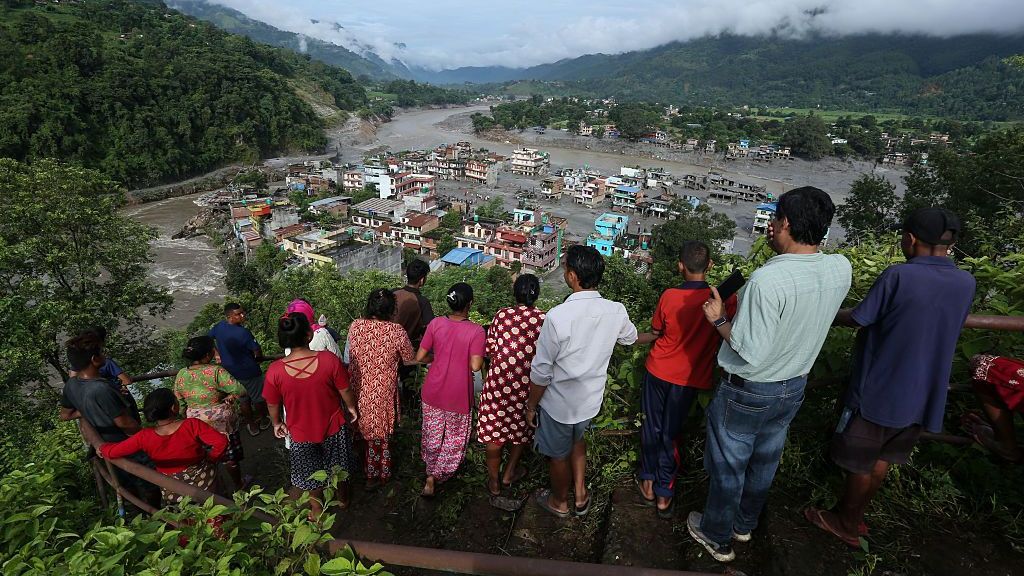
Nepal has witnessed devastating flooding linked to a glacier collapse, with a new study highlighting the growing risks posed by climate change and rapid warming in the Himalayan region.
A recent study has drawn attention to the possible connection between climate change, glacier instability and extreme flooding in Nepal. Reports from international news organisations, including the BBC, CNN and The Guardian, have highlighted the findings and the scale of the disaster.
Glacier Collapse Linked to Deadly Flooding
According to the study cited by the BBC, climate change contributed to glacier collapse associated with the flooding in Nepal. The findings have renewed concerns about the increasing vulnerability of Himalayan communities to climate-related hazards.
The Himalayas are experiencing rapid changes as temperatures rise, affecting glaciers, snow cover and mountain environments. When glaciers and glacial lakes become unstable, large quantities of water can be released suddenly, creating powerful flood waves downstream.
CNN reported that scientists examining the disaster believe a deadly flood wave was connected to the collapse of a glacier. The event affected communities in mountainous areas, where steep terrain can allow floodwaters and debris to move rapidly through valleys.
Himalayan Warming Raises Geohazard Concerns
The latest findings come amid increasing scientific concern over the effects of warming across the Himalayan region. Rising temperatures can accelerate glacier melting and contribute to changes in glacial lakes and mountain slopes.
World Weather Attribution has also examined the event, highlighting how rapid warming in the Himalayas can exacerbate several types of geohazards. These risks include glacier-related flooding, landslides and other cascading disasters.
Researchers say that understanding the relationship between warming and these hazards is important for improving early-warning systems and disaster preparedness in vulnerable mountain communities.
Nepal Communities Face Growing Climate Risks
The impact of major floods can extend well beyond the immediate area where a glacier or glacial lake becomes unstable. Floodwaters can damage homes, roads, bridges and other infrastructure while disrupting transportation and essential services.
The Guardian reported that the Nepal-Tibet floods caused a major loss of life, citing an estimate of more than 1,300 deaths in its coverage. The precise toll and attribution of individual impacts can vary as authorities continue assessment and reporting.
For communities living in Himalayan valleys, the findings underline the importance of monitoring glaciers and glacial lakes, strengthening warning systems and improving emergency response plans.
Why the Study Matters
The study adds to a wider body of research examining how a warming climate is changing conditions in the Himalayas. Scientists continue to investigate how temperature increases influence glaciers and how those changes can interact with rainfall, terrain and other factors to produce extreme events.
While climate change does not necessarily explain every individual flood or hazard, researchers can assess how warming affects the likelihood or severity of particular events.
The latest research into the Nepal floods and glacier collapse highlights the complex risks facing communities across the Himalayas. As the region continues to warm, scientists and authorities are focusing increasingly on glacier monitoring, early-warning systems and climate adaptation to reduce the potential impact of future disasters.
Stay updated with the latest climate, science and world news on SnippetX Media.