

A New Direction for the Future of Student Assessments
Published by Snippetx Media
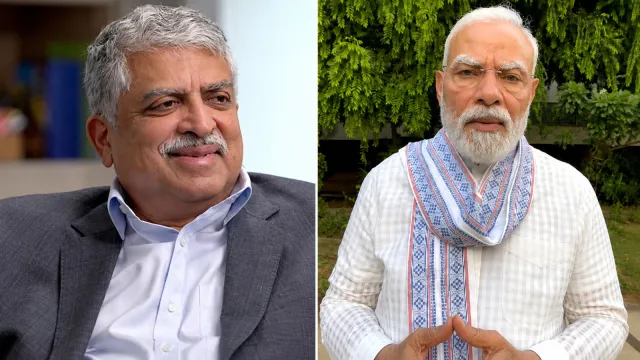
India’s education system is set for another significant transformation as Nandan Nilekani, co-founder of Infosys and a leading advocate for digital public infrastructure, has been chosen to lead a national task force on examination reforms. The initiative is expected to focus on making examinations more transparent, technology-driven, secure, and student-friendly.
The move comes at a time when competitive examinations and recruitment tests are under increasing scrutiny. Concerns about question paper leaks, exam security, evaluation methods, and the growing number of candidates appearing for national-level tests have highlighted the need for comprehensive reforms.
Nandan Nilekani to Head India's Exam Reform Initiative
Nandan Nilekani is widely recognized for his contributions to India’s digital transformation, particularly through Aadhaar and other digital public infrastructure initiatives. His experience in developing large-scale technology platforms is expected to play a key role in reshaping how examinations are conducted across the country.
The newly formed task force is expected to work closely with education experts, technology professionals, policymakers, examination authorities, and academic institutions to recommend long-term reforms.
The committee will study existing examination systems and identify practical solutions to improve fairness, transparency, efficiency, and accessibility. It is also expected to evaluate how modern technologies such as artificial intelligence, digital verification systems, secure online platforms, and data analytics can strengthen examination processes without compromising student privacy or integrity.
Key Areas the Task Force May Focus On
India conducts thousands of examinations every year for schools, universities, professional courses, and government recruitment. With millions of students participating annually, ensuring credibility and fairness remains a major challenge.
Among the areas expected to receive attention are:
- Strengthening cybersecurity for digital examinations.
- Preventing question paper leaks and examination fraud.
- Improving candidate verification systems.
- Enhancing transparency in result processing.
- Reducing delays in evaluation and score publication.
- Creating standardized digital examination infrastructure.
- Introducing technology-assisted monitoring while maintaining fairness.
Experts believe that adopting advanced digital systems could significantly improve the reliability of examinations while reducing administrative errors.
The task force may also recommend better coordination between central and state examination agencies to create more uniform standards across different testing bodies.
What This Means for Students and India's Education System
For students, the proposed reforms could lead to a more reliable and efficient examination experience. Secure examination systems, faster results, improved transparency, and better grievance redressal mechanisms may reduce uncertainty and build greater confidence among candidates.
Educational institutions may also benefit from standardized assessment practices and stronger digital infrastructure, making large-scale examinations easier to manage.
Education experts believe that modernizing India’s examination ecosystem is essential as the number of applicants for competitive exams continues to grow every year. A technology-enabled system could improve operational efficiency while ensuring equal opportunities for students across urban and rural regions.
Although the task force is expected to submit recommendations after detailed consultations, any major reforms will likely be implemented gradually to ensure smooth adoption by educational institutions and examination authorities.
The decision to appoint Nandan Nilekani to lead India’s exam reform task force reflects the government’s emphasis on leveraging technology to strengthen the education system. By bringing together experts from education, technology, and public administration, the initiative aims to create a more transparent, secure, and efficient examination framework for millions of students.
As the task force begins its work, educators, students, and policymakers will closely watch its recommendations, which could shape the future of examinations in India for years to come.
Stay updated with the latest education news, policy developments, and technology updates only on Snippetx Media.